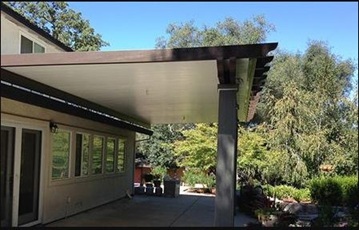
Adding a patio cover is one of the most practical ways to make an outdoor space more comfortable and usable throughout the year. Whether you're hoping to escape the summer sun, protect outdoor furniture, or create a better place for family gatherings, the right design can add lasting value to your home. If you're researching patio covers Davis, CA, it's worth understanding that a successful project involves much more than choosing a style you like. Climate, structural design, local regulations, and long-term maintenance all play an important role in how well your investment performs.
Many homeowners think a patio cover simply provides relief from direct sunlight. In reality, California's weather creates challenges that influence both the materials and engineering behind the structure.
Extended UV exposure gradually weakens lower-quality materials, causing fading, warping, and surface deterioration. Seasonal wind events can also place unexpected stress on poorly anchored patio covers. During winter storms, rainwater must drain efficiently to prevent standing water that may shorten the lifespan of both the patio cover and the adjoining structure.
Choosing materials designed specifically for California's climate helps reduce repairs while keeping the outdoor living area attractive for years.
One detail homeowners rarely think about is how the patio cover connects to the existing home.
Improper attachment points can allow moisture to work behind siding or roofing materials. Over time, even a small leak may lead to wood rot, mold growth, or hidden structural damage inside the wall.
Experienced installers carefully evaluate roof framing, flashing, and load distribution before installation begins. This step is rarely visible once the project is complete, but it often determines how well the structure performs over the next twenty years.
Many California homeowners begin planning with inspiration photos before realizing local regulations may affect the final design.
Depending on your property's layout, factors such as setback requirements, property lines, utility easements, and structural load requirements may influence where a patio cover can be installed and how large it can be.
Addressing these requirements early prevents expensive redesigns, permitting delays, or modifications after construction has already started.
Imagine a homeowner selecting the lowest-priced estimate because the designs appear nearly identical.
Several months later, they begin noticing loose fasteners, water dripping near the roof connection, and sections that vibrate during strong winds. Correcting those problems often requires removing portions of the original installation before rebuilding them properly.
This scenario happens more often than many homeowners realize because the quality of structural components and installation methods is difficult to judge from appearance alone. A higher-quality installation may cost more upfront but frequently delivers lower lifetime ownership costs.
Different patio cover materials offer very different ownership experiences.
Aluminum patio covers resist rust, require minimal maintenance, and perform well under intense sunlight. Insulated roof panels provide additional comfort by reducing radiant heat beneath the structure, making outdoor spaces noticeably cooler during summer afternoons.
Wood creates a timeless appearance but typically requires periodic sealing, staining, or painting to protect it from moisture and sun exposure. Composite materials can offer an attractive balance between appearance and maintenance, although product quality varies significantly among manufacturers.
Selecting materials should involve more than aesthetics. Maintenance expectations, durability, and energy performance all deserve equal consideration.
One often-overlooked factor is how the patio faces the sun.
A west-facing patio experiences much stronger afternoon heat than one facing north. Simply installing a patio cover without accounting for sun angle may still leave portions of the space uncomfortable during peak summer hours.
Experienced designers frequently adjust roof projection, ceiling height, panel orientation, or integrated shade features to maximize comfort throughout the day instead of simply covering the area.
These design decisions are subtle, but homeowners notice the difference every time they use the space.
A patio cover should complement future plans rather than limit them.
If you expect to install outdoor lighting, ceiling fans, infrared heaters, retractable shades, or an outdoor kitchen later, planning for electrical pathways and structural support during the initial installation can save significant time and expense.
Retrofitting these features after construction often involves removing finished materials that could have been accommodated from the beginning.
Thinking several years ahead creates a more flexible outdoor living space while protecting your investment.
A professionally designed patio cover creates benefits that extend beyond comfort.
It helps protect patio furniture from weather exposure, reduces direct sunlight entering nearby windows, and encourages homeowners to spend more time outdoors throughout the year. It can also improve curb appeal by creating a more cohesive transition between indoor and outdoor living areas.
The greatest value comes from thoughtful planning rather than simply adding another structure to the backyard.
If you're considering patio covers Davis, CA, taking the time to evaluate design, materials, structural integrity, and long-term functionality will help you make a decision you'll appreciate for many years. The team at Sacramento Patio by Clark Wagaman Designs understands that every property has unique requirements. Schedule a personalized consultation to explore design options that fit your home's architecture, your lifestyle, and your long-term goals before construction begins. You can also learn more by visiting our patio covers service page.


