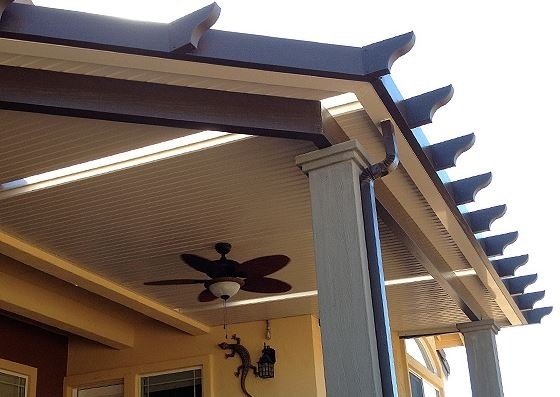
A patio cover can make grilling more comfortable, but shade alone will not solve heat buildup. The best patio covers Citrus Heights, CA designs account for direct sun, rising grill heat, smoke movement, and the breezes that need to pass through the cooking area.
A roof that blocks the afternoon sun may lower surface temperatures around the grill, yet it can also trap heat when the cooking zone is boxed in by walls, screens, low beams, or tightly placed furniture. The goal is not simply to put a grill under cover. It is to create shade while leaving heat and smoke a clear path out.
The right configuration depends on whether your grill is used occasionally for quick meals or serves as the center of larger gatherings.
If you are considering a cleaner-lined look, reviewing modern patio cover designs citrus heights can help you identify styles that fit the home without crowding the cooking zone.
Heat rises, but it cannot disperse well when a roof is low and the surrounding area is closed off. A higher cover, open sides, and adequate clearance above the grill give hot air more room to move before it reaches the roof surface.
Orientation matters too. Before settling on a layout, note where breezes usually enter the yard and where fences, retaining walls, neighboring structures, or dense landscaping block them. Placing the grill on the protected side of a large solid wall can leave smoke drifting back into the cook’s face instead of out toward the open yard.
A cover should also avoid turning the grill corner into a dead-air pocket. If smoke tends to linger under an existing cover, waiting can make the space less enjoyable and may leave soot on nearby finishes. A design conversation before construction is the right time to adjust roof openings, height, or the cooking-zone location.
The grill should not be treated as an afterthought once posts, counters, and furniture are already set. Start by marking the grill, lid swing, cook’s standing area, prep surface, and travel path from the kitchen door.
Use this checklist when laying out the area:
The roof, support structure, and patio surface all affect perceived heat. Darker hardscape can absorb solar energy and radiate it back upward after hours of sun, while highly reflective surfaces can create glare around stainless steel appliances, counters, and glass doors.
Roof insulation can help moderate the heat felt beneath a solid cover, particularly over seating areas near the grill. Finish and color choices should also be viewed from where the cook stands, not only from the yard. A bright roof may look clean overhead but can become tiring when light reflects off a grill lid or countertop.
Material selection works best as part of one complete plan. The roof shade, column placement, surface color, and openness around the cooking zone should support the same result: less direct sun, less trapped heat, and clear circulation.
A household that grills once or twice a month has different needs than one that cooks outdoors most weekends. Consider how long the grill runs, whether you use a smoker or high-heat grill, how many people gather nearby, and whether the patio must shade a dining area at the same time.
Sacramento Patio by Clark Wagaman Designs can help homeowners weigh solid, lattice, combination, and freestanding options around the way they use their backyard. For patio covers Citrus Heights, CA, a thoughtful layout can keep the cook cooler without sacrificing the shade that makes the patio usable. To discuss a custom grilling-area cover built around your backyard lifestyle, call Sacramento Patio by Clark Wagaman Designs at (916) 825-4736 for a free consultation and estimate.


