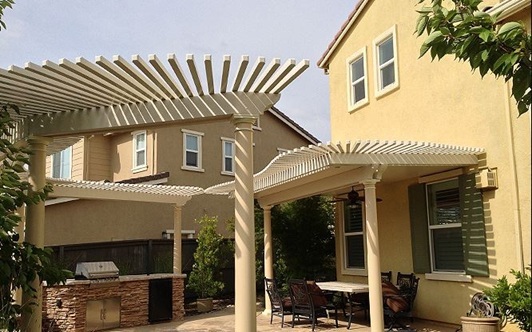
A covered patio should feel comfortable, open, and inviting. But many homeowners end up with the opposite. The space becomes dim during the day, then overly bright and uncomfortable once they try to fix it with stronger lighting or reflective surfaces. We see this often with older patio designs and even with some newer patio covers in Citrus Heights, CA, homeowners install without considering how light actually behaves under a covered structure.
The goal is not to flood the space with brightness. The goal is balanced light. A patio that feels naturally illuminated without creating eye strain, heat buildup, or sharp glare across seating areas.
That balance comes down to a few design decisions that most homeowners do not think about until after the patio is built.
Many covered patios feel darker than expected because solid roof panels block indirect sunlight from every angle. Even if the patio is technically outdoors, it can start to feel enclosed like an interior room with poor window placement.
One mistake we commonly see is adding darker ceiling finishes underneath the patio cover. Dark wood stains and matte black framing can look modern, but they absorb light instead of reflecting it into the space. The result is a patio that feels visually heavy, especially in the early evening.
A lighter ceiling color can dramatically change how the patio feels without increasing brightness levels. Soft white, sand tones, or natural light wood finishes help diffuse daylight more evenly. The effect feels calmer and more natural than simply installing brighter bulbs.
This becomes even more important on patios facing north or shaded by nearby trees. Those spaces already receive softer daylight, so every reflective surface matters.
Many homeowners assume shiny materials will help brighten a patio. Sometimes they do the opposite.
Highly polished tile, glossy furniture, stainless steel accents, and reflective glass can create concentrated glare points. That glare becomes especially uncomfortable during late afternoon when the sun sits lower in the sky.
We have seen patios where homeowners avoided using the space altogether because sunlight bounced directly off a dining table into their eyes for two hours every evening.
A better approach is to use surfaces that scatter light rather than reflect it sharply. Textured concrete, satin finishes, matte stone, and lightly brushed materials help evenly distribute brightness across the patio.
This creates what designers sometimes call “soft light behavior.” The patio feels brighter overall, but your eyes never fight against harsh reflections.
Some homeowners try to solve dark patio issues by switching to translucent roof panels or clear polycarbonate panels. While this can increase daylight, it often creates a different problem in warmer regions.
Direct overhead light increases heat quickly. In areas with strong summer sun, translucent panels can turn a comfortable patio into a heat trap by midafternoon.
There is also a visual comfort issue that many people overlook. Bright overhead sunlight creates a strong contrast between shaded seating areas and sunlit surfaces. Your eyes constantly adjust between dark and bright zones, which can make the patio feel visually tiring.
A more effective solution is selective daylighting.
For example:
These details matter because patio brightness is not only about the quantity of light. It is about light distribution.
Homeowners often install very bright, cool-white LED fixtures, thinking that higher brightness equals better visibility. In reality, overly cool lighting can make a covered patio feel sterile and uncomfortable at night.
Warm lighting between 2700K and 3000K usually performs better for outdoor living spaces. It softens shadows and creates a more welcoming atmosphere while still providing enough illumination for dining and entertaining.
Placement matters more than wattage.
One overhead light in the center of the patio often casts hard shadows around furniture and in corners. Layered lighting works much better:
When lighting comes from multiple directions, the patio feels brighter without needing intense light levels.
That is a detail many homeowners miss until they compare professionally designed outdoor spaces to basic patio setups.
Many people think patio screens or curtains automatically make a space darker. In reality, they often improve brightness perception by reducing glare contrast.
Here is a common example we see.
A homeowner installs a patio cover over a west-facing backyard. Every evening, low-angle sunlight blasts into the seating area. The patio technically has plenty of light, but it feels uncomfortable because the brightness is uncontrolled.
Once light-filtering screens are added, the entire space becomes easier on the eyes. The patio actually feels brighter because the harsh hotspots disappear.
This is especially useful near pools, light concrete, or neighboring windows that reflect sunlight into the patio.
Solar shades and woven outdoor fabrics work particularly well because they soften incoming light without fully blocking airflow.
Large sectionals, tall privacy walls, oversized outdoor kitchens, and bulky storage benches can interrupt natural light flow more than homeowners realize.
We have seen patios where the furniture blocked daylight from reaching half the seating area. The homeowner blamed the patio roof design when the real issue was layout density.
Leaving visual breathing room helps light travel naturally across the patio.
A few practical adjustments often make a noticeable difference:
Small layout changes can brighten a patio without any structural modifications.
The best covered patios never feel overly bright or overly shaded. They feel balanced throughout the day.
That balance comes from understanding how surfaces, roofing materials, lighting placement, and sun angles work together. Simply adding stronger lighting or more reflective materials usually creates new problems instead of solving the original ones.
If your covered patio feels darker than it should, or if glare makes the space uncomfortable during certain hours, it may be worth evaluating the design as a complete system rather than changing one feature at a time.
For homeowners researching patio covers, Citrus Heights, CA properties can truly benefit from long-term, thoughtful lighting design, which often makes the difference between a patio that gets occasional use and one that becomes part of daily living. Sacramento Patio by Clark Wagaman Designs helps homeowners create outdoor spaces that feel comfortable in real-world conditions, not just in showroom photos. If your patio feels too dark, too hot, or visually uncomfortable at certain times of day, scheduling a design consultation can help uncover practical adjustments that improve both comfort and usability for years to come.


